Upper Marais
Carnavalet Museum, Paris
The Carnavalet Museum in Le Marais: Tuesday to Sunday 10 a.m. to 6 p.m., free permanent collections, ticketed exhibitions, metro access and nearby hotels. Checked October 2026.
A museum of the history of Paris in two mansions
The Carnavalet Museum, “Histoire de Paris” in its full name, is the museum of the history of the capital. It occupies two town houses of the Marais, the Hôtel Carnavalet and the Hôtel Le Peletier de Saint-Fargeau, linked by a gallery at first-floor level. It reopened in May 2021 after almost five years of work, and shows about 3,800 works and objects over 3,900 m².
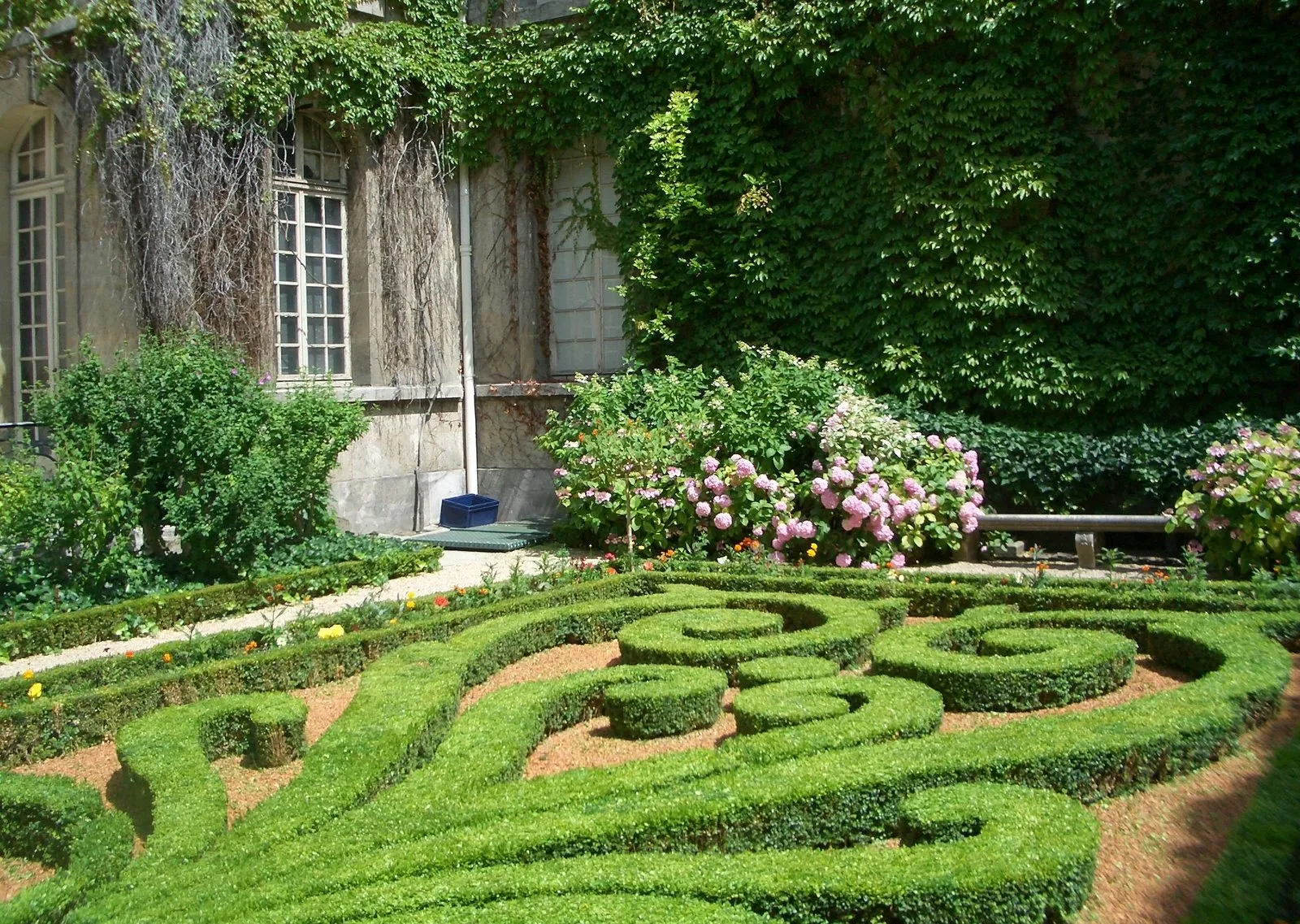
Photo: Dinkum, CC0, via Wikimedia Commons

What changes in 2026
- An exhibition from 14 October. “Paris à l’arraché : Jacques Villeglé et l’art urbain”, until 14 February 2027; this one is ticketed.
- A free display in the last room. “Nouveau Paris, de 1977 à nos jours”, from 25 September 2026 to 5 December 2027.
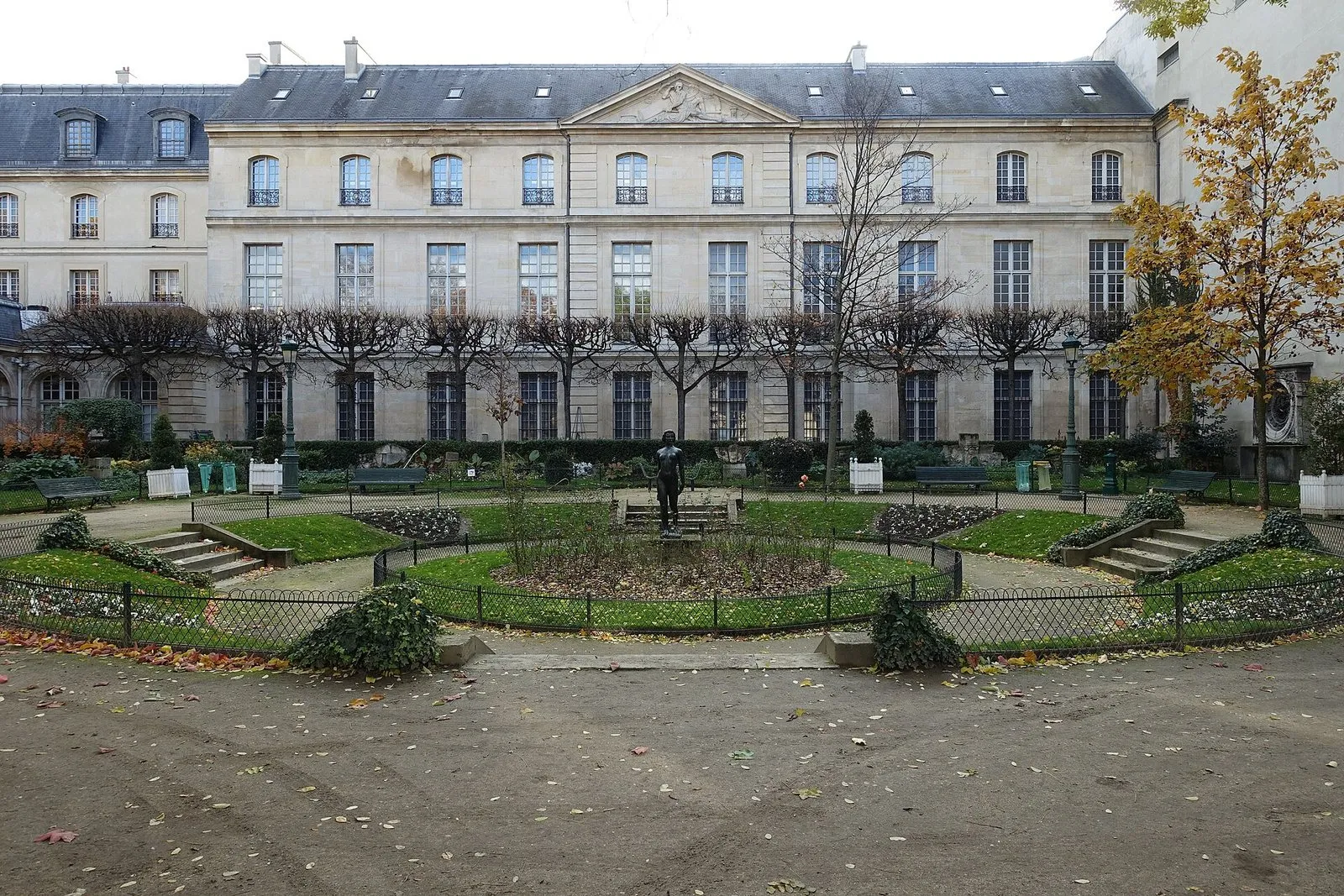
Photo: Guilhem Vellut, CC BY 2.0, via Wikimedia Commons

Planning the visit
Because the collections are free, the only booking question concerns the exhibitions, for which the museum recommends a timed ticket online. Large bags are refused: leave luggage at your hotel. The museum stands a short walk from the place des Vosges and from the Maison de Victor Hugo, and the Picasso Museum lies about 285 metres to the north, in a straight line. For the other museums of the quarter, see our guide to Le Marais.
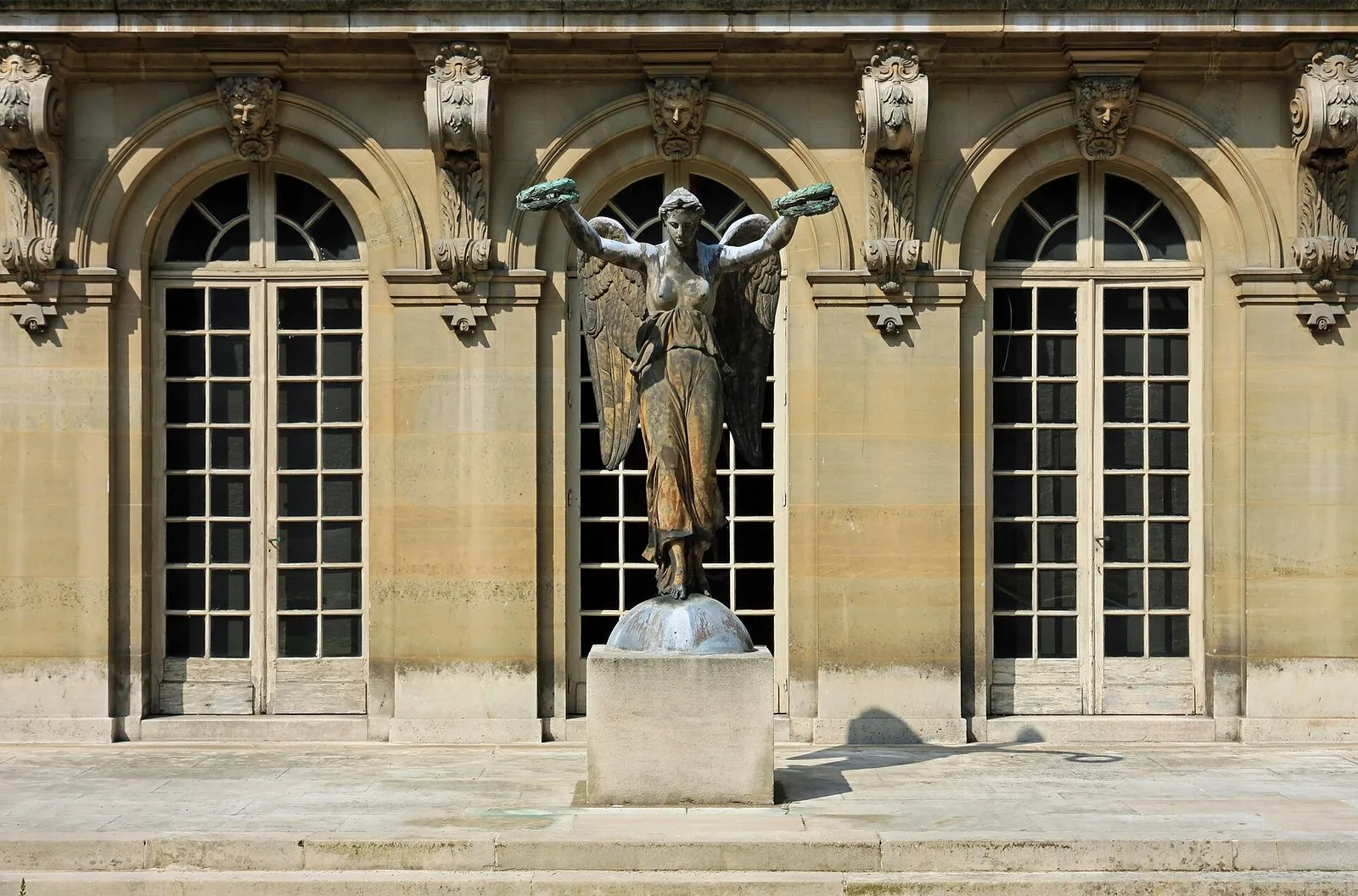
Photo: NonOmnisMoriar, CC BY-SA 3.0, via Wikimedia Commons

History of the two mansions
The Hôtel Carnavalet was built between 1548 and 1560 for Jacques de Ligneris, a president of the Parlement of Paris; Wikipedia attributes the design to Pierre Lescot. François Mansart worked on it in 1660, and Madame de Sévigné lived there from 1677 to 1696. The City of Paris bought it in 1866, under the prefecture of Baron Haussmann.
The Hôtel Le Peletier de Saint-Fargeau, built from 1688 by the architect Pierre Bullet, is plainer in style. It was restored from 1982 to 1989 and opened to the public in 1989, and its staircase has a cast-iron handrail. The gallery on the first floor joins the two houses, so the visit passes from one to the other without going outside.
What to look for inside
The route is chronological, from prehistory to the present. About 34 period rooms rebuild Parisian interiors, among them the blue Louis XVI salon, rooms from the Café de Paris, the ballroom of the Hôtel de Wendel with its decoration by José Maria Sert (1924–1925) and the Fouquet jewellery shop decorated by Alfons Mucha in 1901. The bedroom of Marcel Proust is also shown.
The revolutionary collections include the keys of the Bastille. Behind them stand the museum’s reserves: about 2,800 paintings, 150,000 photographs, 300,000 prints and 50,000 coins and medals. Ten per cent of the works are hung at a child’s eye level, a measure introduced in the 2016–2021 renovation, which cost €58 million and was led by François Chatillon, the Norwegian studio Snøhetta and the scenographer Nathalie Crinière.
Combining the museum with its neighbours
Distances are straight-line, calculated from the coordinates in our data; walking times use our usual rule of 1.3 times the straight line at 80 metres a minute.
| Place | Straight line | On foot |
|---|---|---|
| Bibliothèque historique de la Ville de Paris | 84 m | 2 min |
| Musée Cognacq-Jay | 162 m | 3 min |
| Rue des Rosiers | 246 m | 4 min |
| Église Saint-Paul-Saint-Louis | 268 m | 4 min |
| Place des Vosges | 274 m | 4 min |
| Musée Picasso | 284 m | 5 min |
| Hôtel de Sully | 300 m | 5 min |
The Musée Cognacq-Jay, devoted to the eighteenth century, is the closest museum; the Hôtel de Sully and the place des Vosges form a short loop with it. Because the Picasso Museum is also closed on Monday, a Tuesday to Sunday plan serves both. The self-guided walking tour passes the Carnavalet between the Picasso Museum and the square.
Where to stay near the museum
Eleven hotels of our database stand within 300 metres. The nearest is the three-star Hôtel Les Tournelles, 126 metres away, followed by the five-star Cour des Vosges (164 m), the three-star Hôtel Jeanne d’Arc Le Marais (170 m) and the four-star Hôtel de JoBo (184 m). The distances are straight-line. For a broader choice around the square, see hotels near the place des Vosges.
Partner activities
GetYourGuide’s catalogue includes guided visits of the museum and Tiqets an exhibition ticket; both are shown below. We have not checked dates or prices, and the entry to the collections does not need a ticket.
History and distinctive features
- The museum is made up of the Hôtel Carnavalet (1548–1560, built for Jacques de Ligneris) and the Hôtel Le Peletier de Saint-Fargeau, joined by a gallery on the first floor. It opened in December 1880. Source : fr.wikipedia.org
- It closed for a complete renovation on 2 October 2016 and reopened on 26 May 2021; about 3,800 works and objects are shown over 3,900 m². Source : fr.wikipedia.org
- It is one of the fourteen museums of the City of Paris, managed since 1 January 2013 by the public body Paris Musées. Source : fr.wikipedia.org
Hotels near the Carnavalet Museum
Other hotels
- Hôtel Les Tournelles ★★★ 2 min walk · 150 m
- Cour des Vosges ★★★★★ 3 min walk · 200 m
- Hôtel Jeanne d'Arc Le Marais ★★★ 3 min walk · 200 m
- Hôtel de JoBo ★★★★ 3 min walk · 250 m
- Grand Hôtel Malher ★★★ 3 min walk · 250 m
- Pratic Hôtel ★★ 3 min walk · 250 m
- Hôtel Emile ★★ 4 min walk · 300 m
- Hôtel Caron Le Marais ★★★ 4 min walk · 300 m
Within 300 m as the crow flies, nearest first. Walking times are estimates: straight-line distance × 1.3, at 80 metres a minute, to the station, not to a specific exit.
Tours and tickets
Some links are affiliate links: if you book through them, we may earn a commission, at no extra cost to you. How we are paid
-
GetYourGuide
Paris: Carnavalet Entry Ticket and Le Marais Food Audio Tour
Several guided tours of the museum are in GetYourGuide’s public catalogue, which we read on 2 October 2026. As the collections are free, these products sell a guided visit or an exhibition. We have not checked dates or prices.
See it on GetYourGuide -
Tiqets
Carnavalet Museum: Exhibition Ticket
Tiqets lists a ticket for the temporary exhibitions only, at €15. Dates and availability are not checked.
See it on Tiqets
Frequently asked questions
Is the Carnavalet Museum free?
The permanent collections are free, in open access and without booking. The temporary exhibitions are ticketed.
What are the Carnavalet Museum’s opening hours?
Tuesday to Sunday from 10 a.m. to 6 p.m., closed on Mondays, 1 January, 1 May and 25 December. The last entry to the collections is at 5.15 p.m. and to the exhibitions at 4.45 p.m.
Where is the Carnavalet Museum?
At 23 rue de Sévigné, in the 3rd arrondissement of Paris; the museum’s own website writes “23 rue Madame de Sévigné”. The nearest metro station is Saint-Paul, on line 1, about 245 metres away.
Do I need to book for the Carnavalet Museum?
Not for the collections. For the exhibitions the museum strongly recommends a timed ticket bought online. Groups must book.
What is on at the Carnavalet Museum this autumn?
The exhibition “Paris à l’arraché : Jacques Villeglé et l’art urbain” runs from 14 October 2026 to 14 February 2027.
Can I bring a suitcase into the museum?
No. The museum refuses luggage and admits only handbags, which are checked by eye at the entrance.
How long should I allow for the Carnavalet Museum?
Our sources give no recommended duration. The museum shows about 3,800 works over 3,900 m², and the collections close at 5.45 p.m., so a visit that starts before 4 p.m. leaves time for the period rooms and the garden.
What is the history of the building?
The Hôtel Carnavalet dates from 1548–1560; Madame de Sévigné lived there from 1677 to 1696. The City of Paris bought it in 1866, and the museum opened in December 1880.
Is the Carnavalet Museum suitable for children?
Wikipedia’s account of the 2021 reopening says 10 per cent of the works hang at a child’s eye level. Collections are free, which makes a short visit possible.