Upper Marais
Musée Cognacq-Jay
The Musée Cognacq-Jay, Hôtel Donon, 8 rue Elzévir — opening hours, free permanent collections, 2026 ticket rules, metro and nearby hotels. Checked October 2026.
Eighteenth-century taste in a house from 1575
The Musée Cognacq-Jay, a City of Paris museum, holds the eighteenth-century works gathered by Ernest Cognacq and Marie-Louise Jaÿ, the founders of the Samaritaine department store. It fills the Hôtel Donon on rue Elzévir, where the collection is shown in period room settings and thematic galleries. To carry on through the district, see the Carnavalet museum and the place des Vosges.
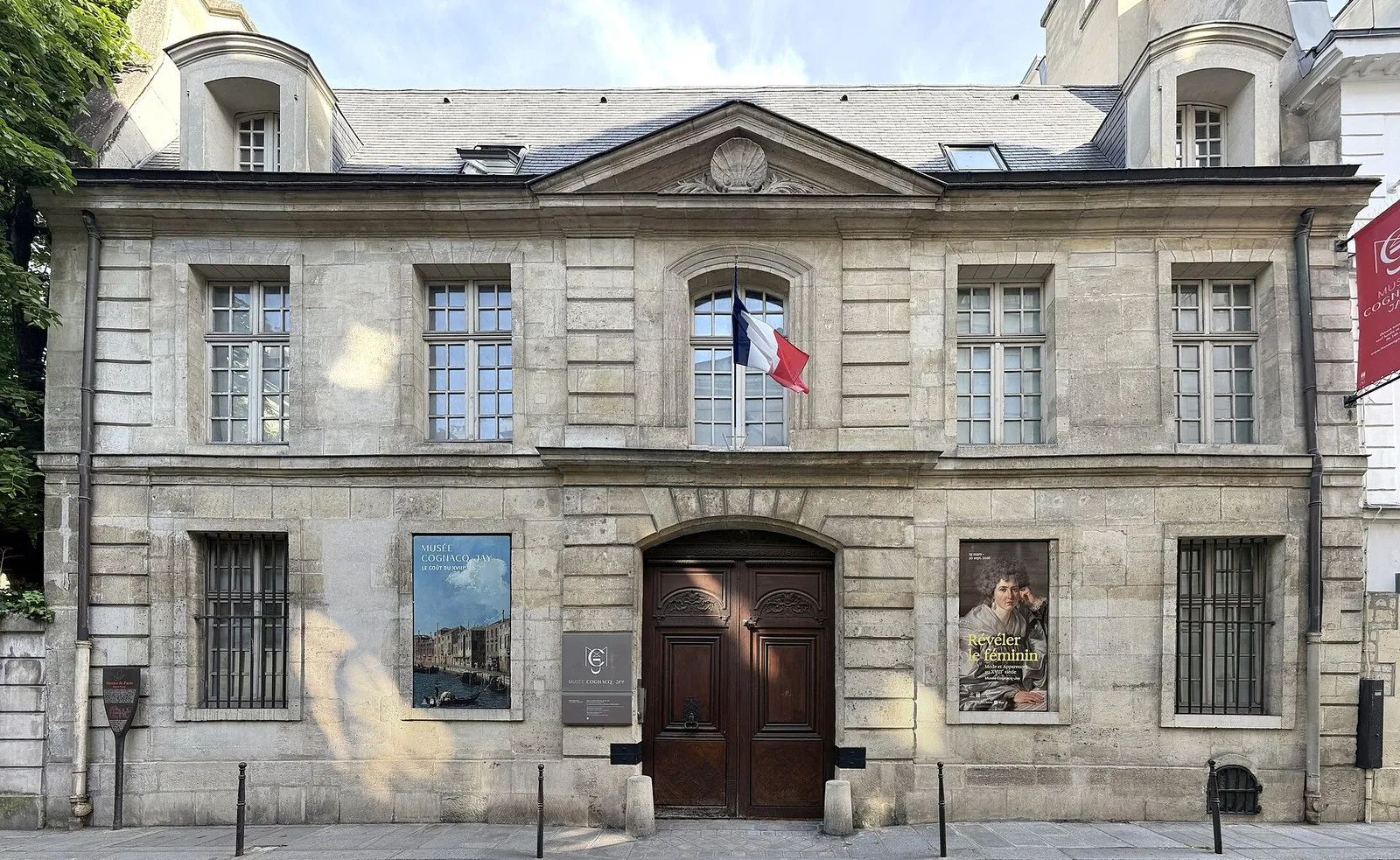
Photo: Chabe01, CC BY-SA 4.0, via Wikimedia Commons

What to know in 2026
- Free entry. No temporary exhibition was running or announced on the official site on 4 October 2026: only the permanent collections are on show, and they are free.
- What comes next. The official site announces nothing. If an exhibition opens, the ticket will rise to €11, so check again before you go.
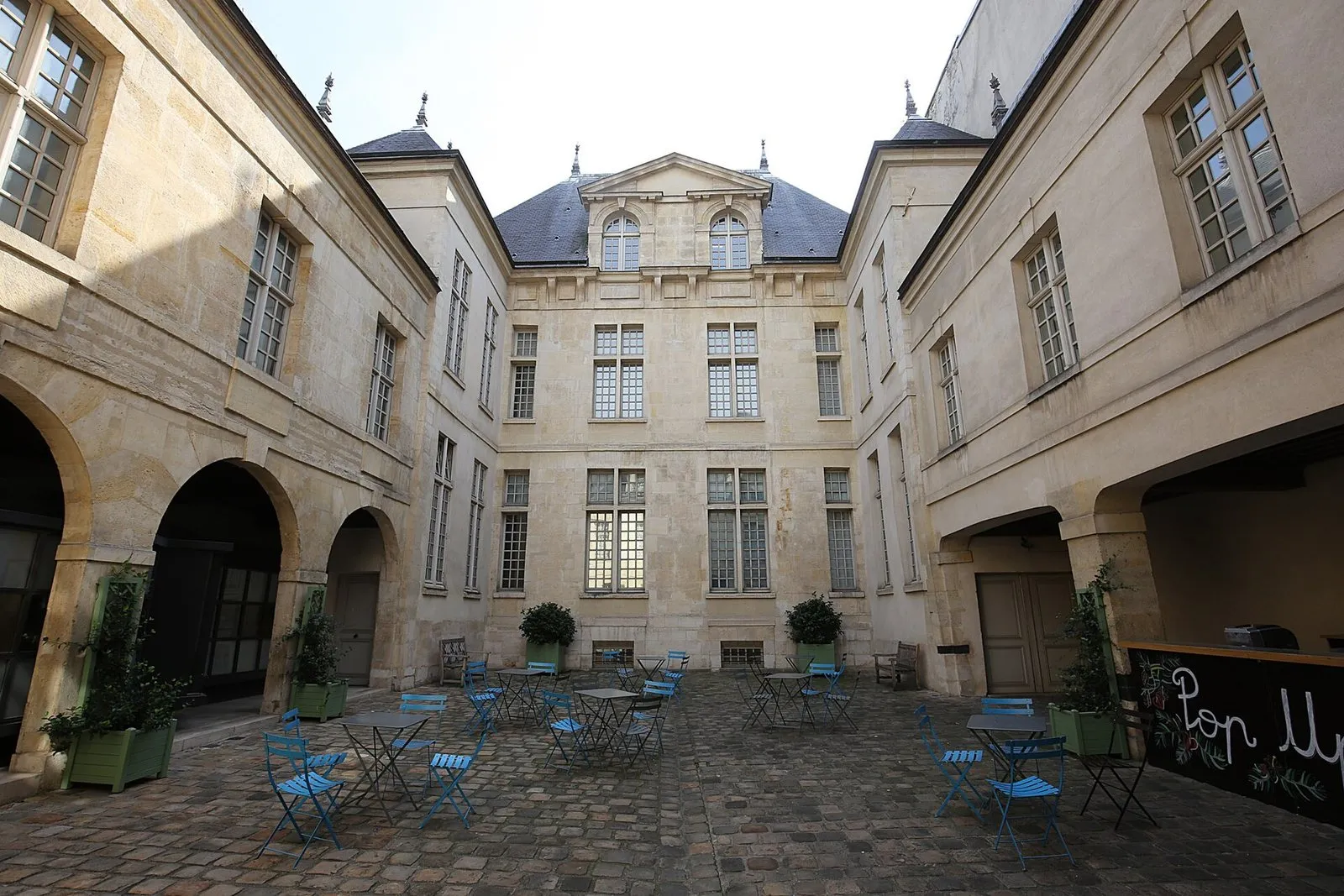
Photo: Isogood, CC BY-SA 4.0, via Wikimedia Commons

The couple behind the collection
According to the museum, Ernest Cognacq (1839–1928) began as a pedlar on the Pont-Neuf and opened À la Samaritaine in 1871. He married Marie-Louise Jaÿ (1838–1925), a first saleswoman in the ready-to-wear department of the Bon Marché, and the two built the department store together. They gathered their collection of eighteenth-century art between 1900 and 1927. After Ernest Cognacq’s death in 1928 it passed to the City of Paris, and the museum was inaugurated on 4 June 1929 on the boulevard des Capucines, next to the Samaritaine de Luxe.
The couple’s other foundations are listed by the museum: the alpine botanical garden of Samoëns, the Jaÿsinia (1906), the Fondation Cognacq-Jay (1916) and the Prix Cognacq (1920).
How the museum came to the Marais
The Samaritaine de Luxe closed in 1981 and the building was sold in 1983, so the City moved the collection to the Marais. The Hôtel Donon was restored from 1986 to 1989 and has housed the museum since 1990. The house was begun in 1575 for Médéric de Donon, controller general of the King’s Buildings; the City bought it in 1974, and it is a listed historic monument. The museum’s own site presents it as the best surviving example of a late sixteenth-century Marais mansion, with high attic spaces.
What to look for
The museum names one work among its masterpieces, Canaletto’s The Grand Canal, seen from the Rialto Bridge (about 1725). The rest of the collection is arranged as period room settings and thematic galleries, according to the museum. Allow time for the house itself: it is the older object in the visit.
Planning around the museum
The museum is not accessible to visitors with reduced mobility, as its own hours page says. It closes on Monday, 1 January, 1 May and 25 December, and at 5 p.m. on 24 and 31 December; admission is free up to the age of 17 inclusive.
Crow-flies distances come from the coordinates in our data; walking times apply the 1.3 factor at 80 metres a minute.
| Place | Straight line | On foot |
|---|---|---|
| Bibliothèque historique de la Ville de Paris | 127 m | 2 min |
| Carnavalet Museum | 162 m | 3 min |
| Picasso Museum | 173 m | 3 min |
| Rue des Rosiers | 185 m | 3 min |
| Archives nationales | 364 m | 6 min |
| Church of Saint-Paul–Saint-Louis | 383 m | 6 min |
| Museum of Hunting and Nature | 421 m | 7 min |
Three museums within about 175 m of one another, the Cognacq-Jay, the Carnavalet and the Picasso, share the Monday closure, so a Tuesday to Sunday morning can take in all three on foot. Twenty-three hotels of our base lie within 450 m.
Booking and tickets
There is no booking for the permanent collections. During a temporary exhibition, a timed ticket bought on the Paris Musées ticket office is “strongly recommended”, according to the museum, and the single ticket for exhibition and collections is €11, or €9 at the reduced rate. Ticket sales close at 5.15 p.m., 45 minutes before the 6 p.m. closing.
Where to stay close by
The three nearest hotels in our database, as the crow flies, are Hôtel Les Tournelles at 264 m, Grand Hôtel Malher at 279 m and Hôtel de JoBo at 307 m; Hôtel Dupond-Smith and Hôtel Emile follow at 312 and 315 m. To sort the whole area, see our page on hotels in the 3rd arrondissement.
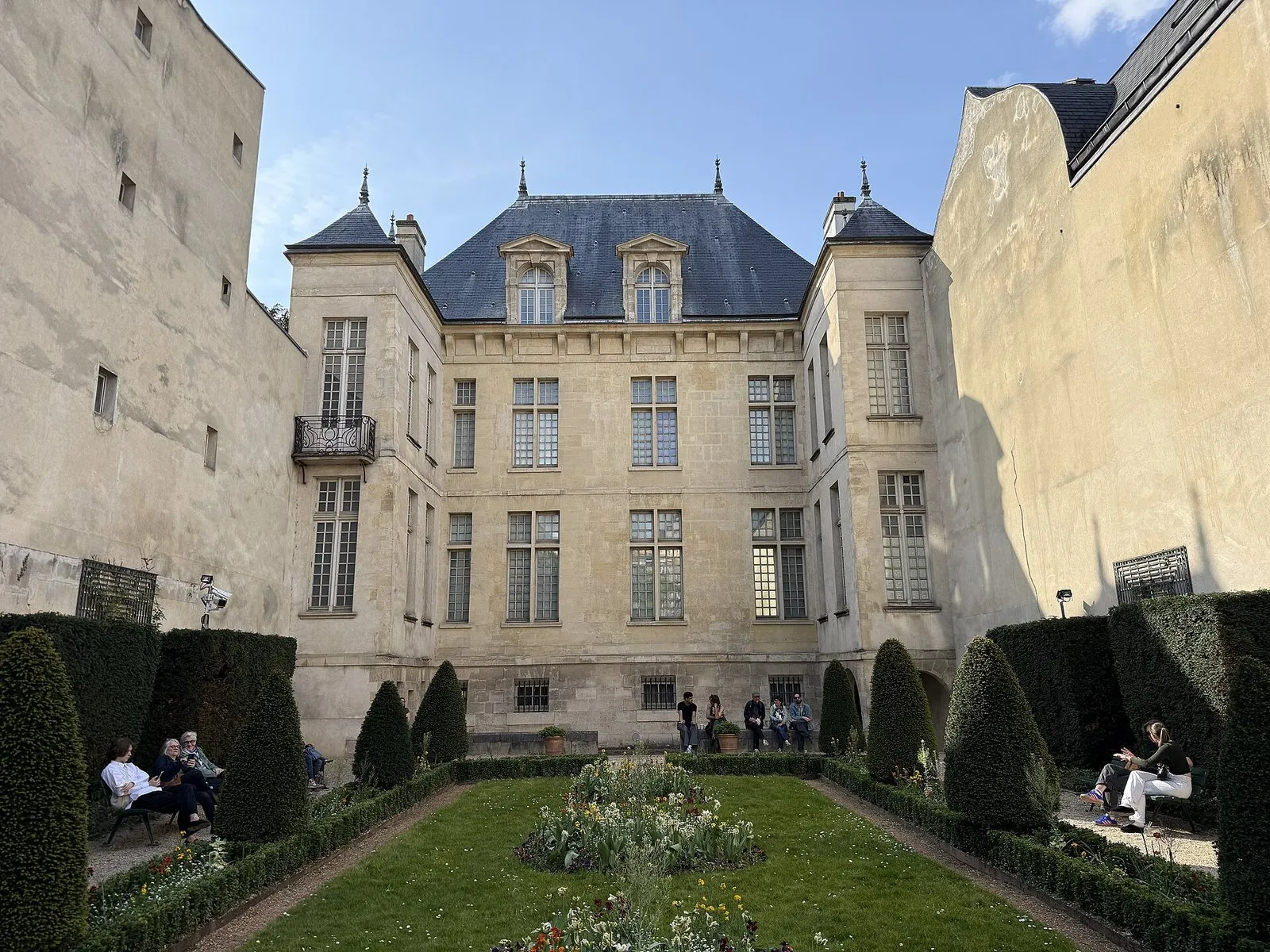
Photo: Chabe01, CC BY-SA 4.0, via Wikimedia Commons

History and distinctive features
- Ernest Cognacq (1839-1928), a street pedlar on the Pont-Neuf at first, opened « À la Samaritaine » in 1871; he married Marie-Louise Jaÿ (1838-1925), head saleswoman in the ready-to-wear department at Le Bon Marché, and the two built the department store together. Source : museecognacqjay.paris.fr
- Between 1900 and 1927 the couple gathered a collection of eighteenth-century art, bequeathed to the City of Paris when Ernest Cognacq died in 1928. The museum opened on 4 June 1929 on boulevard des Capucines, next to the Samaritaine de Luxe. Source : museecognacqjay.paris.fr
- After the Samaritaine de Luxe closed in 1981 and the building was sold in 1983, the City moved the collection to the Marais; the Hôtel Donon, restored from 1986 to 1989, has housed the museum since 1990. Source : museecognacqjay.paris.fr
- The Hôtel Donon, built from 1575 for Médéric de Donon, comptroller general of the King’s Buildings, is a listed historic monument; the museum presents it as the finest surviving late sixteenth-century mansion in the Marais. Source : museecognacqjay.paris.fr
- Among the museum’s masterpieces is Canaletto’s « The Grand Canal, seen from the Rialto Bridge », around 1725. Source : museecognacqjay.paris.fr
Hotels near the Musée Cognacq-Jay
Other hotels
- Hôtel Les Tournelles ★★★ 4 min walk · 350 m
- Grand Hôtel Malher ★★★ 4 min walk · 350 m
- Hôtel de JoBo ★★★★ 5 min walk · 400 m
- Hôtel Dupond-Smith ★★★★★ 5 min walk · 400 m
- Hôtel Emile ★★ 5 min walk · 400 m
- Hôtel Jeanne d'Arc Le Marais ★★★ 5 min walk · 400 m
Within 450 m as the crow flies, nearest first. Walking times are estimates: straight-line distance × 1.3, at 80 metres a minute, to the station, not to a specific exit.
Frequently asked questions
Is the Musée Cognacq-Jay free?
The permanent collections are free all year except during a temporary exhibition, when a single ticket costs €11 (€9 reduced). On 4 October 2026 no exhibition was running or announced, so entry is free.
Where is the Musée Cognacq-Jay?
In the Hôtel Donon, 8 rue Elzévir, in the 3rd arrondissement. The nearest station is Saint-Paul, on line 1.
Is there a temporary exhibition on now?
No. On 4 October 2026 the official site listed none running or announced, so only the permanent collections are on show.
When is the museum closed?
On Mondays, and on 1 January, 1 May and 25 December. It closes at 5pm on 24 and 31 December.
Is it wheelchair accessible?
No. The museum states that it is not accessible to visitors with reduced mobility.
Who founded the Musée Cognacq-Jay?
The collection was assembled between 1900 and 1927 by Ernest Cognacq and Marie-Louise Jaÿ, the founders of the Samaritaine, and left to the City of Paris after Ernest Cognacq’s death in 1928. The museum opened on 4 June 1929 and has been in the Marais since 1990.
What is the Hôtel Donon?
The house in which the museum sits, begun in 1575 for the controller general of the King’s Buildings. The City bought it in 1974 and it is a listed historic monument.
Is the Cognacq-Jay free for children?
Admission is free up to the age of 17 inclusive, according to the museum’s price page.
What time does ticket sales close at the Musée Cognacq-Jay?
At 5.15 p.m., with the museum closing at 6 p.m., according to its hours page.